












Events Date: 9

China will bring total installed wind energy and solar power capacity to more than 1.2 billion KW by 2030

Note* - All images used are for editorial and illustrative purposes only and may not originate from the original news provider or associated company.

Subscribe

- Never miss a story with notifications

- Gain full access to our premium content

- Browse free from any location or device.

Media Packs

Expand Your Reach With Our Customized Solutions Empowering Your Campaigns To Maximize Your Reach & Drive Real Results!

โ€“ Access the Media Pack Now

โ€“ Book a Conference Call

โ€“ Leave Message for Us to Get Back

Related stories

Hydrogen Infrastructure Driving Future Energy Growth

As the world shifts toward a low-carbon economy, hydrogen infrastructure for energy growth is emerging as a critical engine for industrial transformation. Through massive investments in clean fuel production, storage, and transport, hydrogen is poised to unlock new energy markets and provide a sustainable solution for the hardest-to-abate sectors.

Energy Storage Systems Supporting Utility Expansion

The rapid growth of global energy demand is driving a massive scale-up of utility infrastructure, where energy storage systems serve as the critical balancer. By providing essential services like grid stability and seamless renewable integration, these systems are enabling a flexible and reliable expansion of modern power networks.

Smart Energy Infrastructure Improving Grid Efficiency

The digital transformation of the power sector is being led by smart energy infrastructure efficiency, where data-driven insights and automation are redefining grid performance. By integrating digital monitoring and predictive operations, utilities are creating a more responsive, reliable, and efficient energy network for the modern age.
- Advertisement -

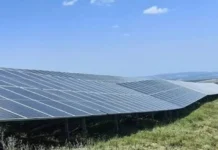
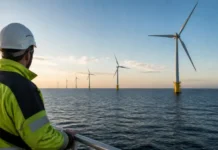
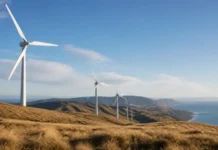
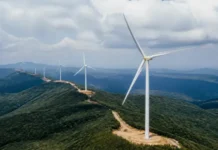
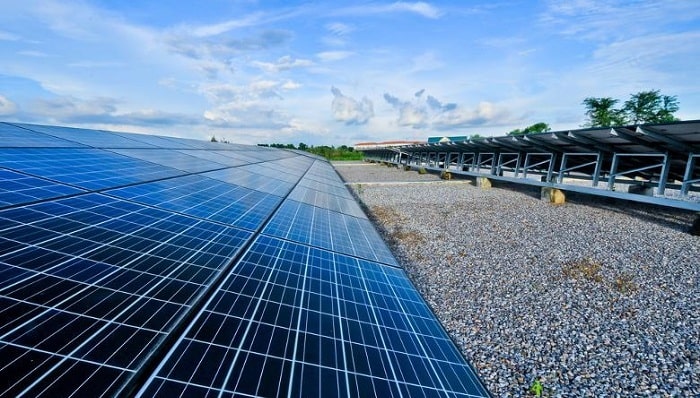
Chinese President Xi Jinping said on Saturday that China will bring its total installed wind power and solar energy capacity to more than 1.2 billion kilowatts by 2030.

China is now committing to reduce its emissions per unit of GDP by โ€œmore than 65%โ€ compared to the level of 2005 (compared to the previous goal of a reduction of between 60% and 65%). In addition, Xi Jinping has ensured that in 2030 the share of non-fossil fuels in primary energy consumption will increase by 25% (five points more than the previous promise) and that it will multiply its current wind and solar capacity almost by three. โ€œChinaโ€™s effort will increase to reduce carbon intensity and ensure rapid growth of wind and solar power over the next decade. However, Beijing has the potential to do more โ€, said Li Shuo, from the environmental organization Greenpeace.

Only the EU and China accumulate almost 30% of global emissions (with approximately 10% and 30% respectively of the gases expelled in 2018). The Chinese announcement, together with the expected return of the United States to the Paris Agreement and the new objective of the EU, now relaunch the fight against climate change, which has suffered a paralysis during Trumpโ€™s four years.


Power Info Today brings together the global energy industry โ€” from generation and transmission operators to utility executives and energy transition leaders โ€” through trusted editorial, market intelligence, and digital engagement.

Our 2026 Media Pack offers integrated solutions to reach your audience:

  • Magazine & Digital Editions Showcase your brand within premium energy industry coverage read by executives and decision - makers worldwide.
  • Industry Insights & Reports Align with data - driven analysis, trend reports, and regional roundups across the global power and energy value chain.
  • Brand Authority & Credibility Position your company as a thought leader through expert commentary, interviews, and special features.

Latest stories

Related stories

Hydrogen Infrastructure Driving Future Energy Growth

As the world shifts toward a low-carbon economy, hydrogen infrastructure for energy growth is emerging as a critical engine for industrial transformation. Through massive investments in clean fuel production, storage, and transport, hydrogen is poised to unlock new energy markets and provide a sustainable solution for the hardest-to-abate sectors.

Energy Storage Systems Supporting Utility Expansion

The rapid growth of global energy demand is driving a massive scale-up of utility infrastructure, where energy storage systems serve as the critical balancer. By providing essential services like grid stability and seamless renewable integration, these systems are enabling a flexible and reliable expansion of modern power networks.

Smart Energy Infrastructure Improving Grid Efficiency

The digital transformation of the power sector is being led by smart energy infrastructure efficiency, where data-driven insights and automation are redefining grid performance. By integrating digital monitoring and predictive operations, utilities are creating a more responsive, reliable, and efficient energy network for the modern age.

Grid Modernization Driving Energy Infrastructure

Modern energy systems are undergoing a radical transformation as grid modernization becomes the cornerstone of infrastructure resilience. By integrating advanced digital monitoring, transmission upgrades, and smart grid technologies, utility providers are building a foundation for a reliable and decarbonized future.

Subscribe

- Never miss a story with notifications

- Gain full access to our premium content

- Browse free from any location or device.

Media Packs

Expand Your Reach With Our Customized Solutions Empowering Your Campaigns To Maximize Your Reach & Drive Real Results!

โ€“ Access the Media Pack Now

โ€“ Book a Conference Call

โ€“ Leave Message for Us to Get Back

Translate ยป