


















Achema middle east

Black Again? Coal Plan Encounters Roadblocks In Germany

Note* - All images used are for editorial and illustrative purposes only and may not originate from the original news provider or associated company.

Subscribe

- Never miss a story with notifications

- Gain full access to our premium content

- Browse free from any location or device.

Media Packs

Expand Your Reach With Our Customized Solutions Empowering Your Campaigns To Maximize Your Reach & Drive Real Results!

– Access the Media Pack Now

– Book a Conference Call

– Leave Message for Us to Get Back

Related stories

Smart Safety Systems Enhancing Grid Workforce Protection

Integrating cutting-edge technology into traditional infrastructure, smart safety systems power transmission projects by providing an intelligent layer of protection that anticipates hazards before they manifest. These digital innovations are revolutionizing how utility companies manage risk, ensuring that every technician in the field is connected, monitored, and shielded by a data-driven safety net.

Advanced Fall Protection in Power Transmission Safety

Maintaining equilibrium in the power sector requires more than just technical skill; it demands a robust infrastructure of fall protection in power transmission. By integrating sophisticated engineering with rigorous training protocols, organizations can significantly diminish the frequency of workplace accidents while simultaneously elevating the standards of operational performance across complex electrical grids.

Safer Work at Heights Driving Power Sector Productivity

Empowering the individuals who scale our national grids, safer work at heights power sector initiatives are bridging the gap between worker protection and operational efficiency. By investing in sophisticated fall protection and ergonomic safety systems, utility companies are creating an environment where peak performance is the natural byproduct of a secure and confident workforce.
- Advertisement -

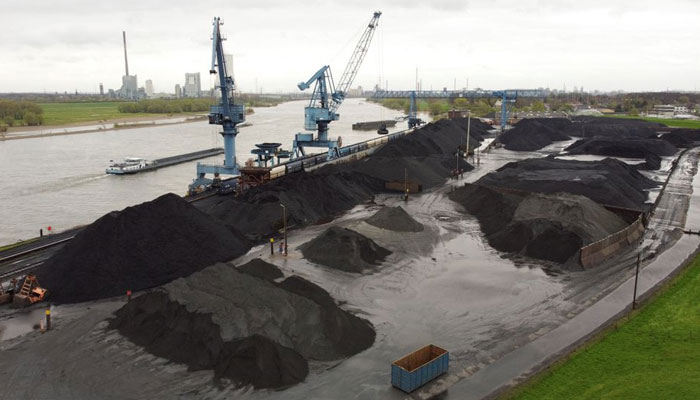
According to operators and industry analysts, Germany’s goal to boost power generation from hard coal-fired power stations to make up for decreased gas supplies is being hampered by high coal costs, supply constraints, and old plants.

As it prepares for declining Russian gas supplies, Germany decided earlier this month to permit the resurrection of coal-fired power facilities or an extension of existing lifespans. About 6% of the nation’s electricity is produced from gas.

Rough calculations show that the change may offset 1% to 2% of Germany’s gas usage, but energy providers have either refused to restart units or are having trouble finding the requisite coal. According to Germany’s energy authority, only one of 16 coal-fired facilities that Berlin wants to see revived has received notification about reconnecting from operators thus far. According to the economy ministry, discussions with operators and associations were ongoing, and the situation with coal power was being continuously monitored.

Utility EnBW in southern Germany runs half of the 16 coal-fired facilities on the government’s list for reactivation or extension, but the operator claimed the units could not be rejoined to the grid due to their age. However, EnBW announced that it would postpone the closure of one facility that was scheduled for October.

In contrast, chemical company Evonik said it will restart a facility in the western town of Marl, but only in the fall. Both Uniper, which has operations on the government’s list, and Evonik indicated they had not yet made decisions regarding future reactivations.

A representative for Evonik stated that they hired people, purchased coal on the international market, and took care of the technical upkeep. Hard coal power plant Steag wants to restart its operations, but there are supply issues because doing so would have a not insignificant impact on the company’s cash flow and cost somewhere in the mid three-digit million euros. Steag wants to restart its operations, but there are supply issues because doing so would have a significant impact on the company’s cash flow and cost somewhere in the mid-three-digit million euros.

Energy operators are considering switching back to coal as a result of higher electricity rates, but the cost of coal has dramatically increased and enterprises must pay upfront for supplies. Low water levels have made it difficult for ships to transport their full cargo capacity across rivers, while grain imports from Ukraine are taxing the rail system, according to Germany’s coal importers group, which was quoted by Reuters.

According to the group, congestion in the coal transport system will worsen, especially after September, when import volumes are predicted to climb dramatically on a monthly basis.

Latest stories

Related stories

Smart Safety Systems Enhancing Grid Workforce Protection

Integrating cutting-edge technology into traditional infrastructure, smart safety systems power transmission projects by providing an intelligent layer of protection that anticipates hazards before they manifest. These digital innovations are revolutionizing how utility companies manage risk, ensuring that every technician in the field is connected, monitored, and shielded by a data-driven safety net.

Advanced Fall Protection in Power Transmission Safety

Maintaining equilibrium in the power sector requires more than just technical skill; it demands a robust infrastructure of fall protection in power transmission. By integrating sophisticated engineering with rigorous training protocols, organizations can significantly diminish the frequency of workplace accidents while simultaneously elevating the standards of operational performance across complex electrical grids.

Safer Work at Heights Driving Power Sector Productivity

Empowering the individuals who scale our national grids, safer work at heights power sector initiatives are bridging the gap between worker protection and operational efficiency. By investing in sophisticated fall protection and ergonomic safety systems, utility companies are creating an environment where peak performance is the natural byproduct of a secure and confident workforce.

Risk Prevention Strategies for Safer Power Infrastructure

Ensuring the resilience of our global energy networks requires a sophisticated framework of risk prevention power infrastructure safety. By moving beyond reactive measures to a culture of proactive hazard identification, organizations can build a safer environment for their employees while maintaining the critical flow of electricity to communities and industries.

Subscribe

- Never miss a story with notifications

- Gain full access to our premium content

- Browse free from any location or device.

Media Packs

Expand Your Reach With Our Customized Solutions Empowering Your Campaigns To Maximize Your Reach & Drive Real Results!

– Access the Media Pack Now

– Book a Conference Call

– Leave Message for Us to Get Back

Translate »